
What Men Reveal to Women They Don't Respect
On the difference between access and power, pretty privilege, male vanity, and what women learn from the edge of the table

By the second day of the conference, I understood the arrangement.
I was not there as an equal. I was not being welcomed because anyone had mistaken me for a peer. I was being let in for a simpler reason, one several of them said to my face: I was pretty, I was fun to talk to, I made the room feel better. That was the price of admission and the insult folded inside it.
I want to be precise about that, because people romanticize these dynamics too easily. I was not the one in power. I was not moving through that conference like some master manipulator, effortlessly bending men to my will. They had the money, the status, the authority, the instinctive right to take up space without explanation. They belonged there in a way I didn’t. They were respected at the table. I was invited to it.
There’s a difference between access and power, and I felt it constantly.
Access is being waved in.
Power is being taken seriously once you sit down.
I had one. They had the other.
And still, access is not nothing.
The room was full of men who looked at me and made the same calculation almost instantly. Pretty girl. Social girl. Easy to have around. They didn’t hide it. Some of them practically narrated it for me, smiling as they said I had a real advantage, that I could get away with asking things other people couldn’t, that of course people wanted to talk to me. It was framed like a compliment, but it landed like a diagnosis. They were telling me exactly how they saw me: not as a threat, not as a contender, but as a pleasant exception to the texture of the room.
And because they saw me that way, they relaxed.
That was the opening.
Not because I was using them in some grand, predatory sense. If anything, the dynamic ran the other direction. They felt they were using me. Using my attention, my warmth, my face, the novelty of a woman in a room that had clearly gone too long without one. They enjoyed having me there. They enjoyed explaining themselves to me. They enjoyed the feeling of being observed by someone they found attractive and assumed was harmless.
That assumption made them generous.
I would ask about their businesses and they would tell me far more than they needed to. Not just the polished version, not the rehearsed panel answer, but the useful part: where money was actually being made, who they didn’t trust, what was failing quietly, which people in the room were bluffing, what kinds of deals they were chasing, what they thought would break next. They gave me texture. They gave me candor. They gave me the kind of information people only offer when they think there’s no real risk in offering it.
That was the point. They didn’t think there was any risk.
Because I was never, in their minds, a real competitor.
I was the pretty girl at the edge of the table, asking smart questions in a voice that didn’t alarm them. I was interesting enough to entertain, not serious enough to fear. And men will tell you almost anything from that position. They will hand over nuance with a smile if they believe they’re still the powerful one in the exchange.
They were the powerful one.
That’s what made it work.
One night, I flirted my way into a VIP room. That is the blunt version, and the blunt version is the truest. I knew what kind of access my face and my presence could buy in a room like that, and I used it. But even there, I wasn’t confused about what was happening. I was not being ushered in because my ideas had earned me a seat. I was being let in because someone liked looking at me, liked talking to me, liked the social charge of having me there.
And once I was inside, I took what I could.
Better conversations. Better connections. Better information. People making real money, speaking more openly than they would have in the larger conference, dropping names and numbers and patterns I would not have heard anywhere else. That room was useful to me because they did not understand I could be.
That is the humiliating part, maybe. Or one of them.
Not that I benefited. I did.
Not that I was strategic. I was.
It’s that the strategy depended on a structure that diminished me first.
I was invited on pretty privilege, then rewarded for staying within the boundaries of it. As long as I remained charming, light, socially fluent, nonthreatening, the room opened. The second a woman becomes too sharp, too ambitious, too obviously hungry, the temperature changes. Men like access to women they can still place beneath themselves. They like a woman at the table best when she does not disturb their sense of owning it.
So no, this was not a story about me overpowering anyone. It was a story about recognizing the terms under which I was being allowed near power and refusing to waste the opportunity.
There is a grim intelligence women develop in these spaces. You learn how to read male vanity. You learn how much information sits just behind a man’s desire to seem impressive. You learn that attention can be converted, if not into respect, then into proximity; if not into status, then into knowledge; if not into power, then into something you can carry out of the room.
That is what I did. I took the access.
I took the conversations. I took the openings.
I took what they gave me while believing they were the ones getting something.
And to be fair, they were.
They got a woman smiling at them. They got to feel interesting.
They got to feel chosen. They got to feel, for a few minutes, like the room still belonged entirely to them.
Maybe that was the real trade.
They got the pleasure of underestimating me. I got the information.
I don’t say any of this with pride exactly. But not with shame either. Mostly with clarity. This is not new for me. I have seen this dynamic in almost every professional environment I’ve been in. Men hold the power. Women learn the openings. Men call it chemistry or charisma or a natural advantage, as if female adaptation were some kind of innate gift instead of a survival skill. As if being rewarded for your prettiness is not also a way of being denied full personhood.
Because that’s what it is, finally.
You are let close, but not all the way in.
You are welcomed, but not weighted.
You are seen, but not fully believed.
And still, there is something to be done with that.
If they were going to invite me for the wrong reasons, I was not going to leave empty-handed.
They may have thought I was there to make the room softer.
I was there to take it apart.
Notes from the author: I love overanalysing everything, it wasn’t actually that deep.
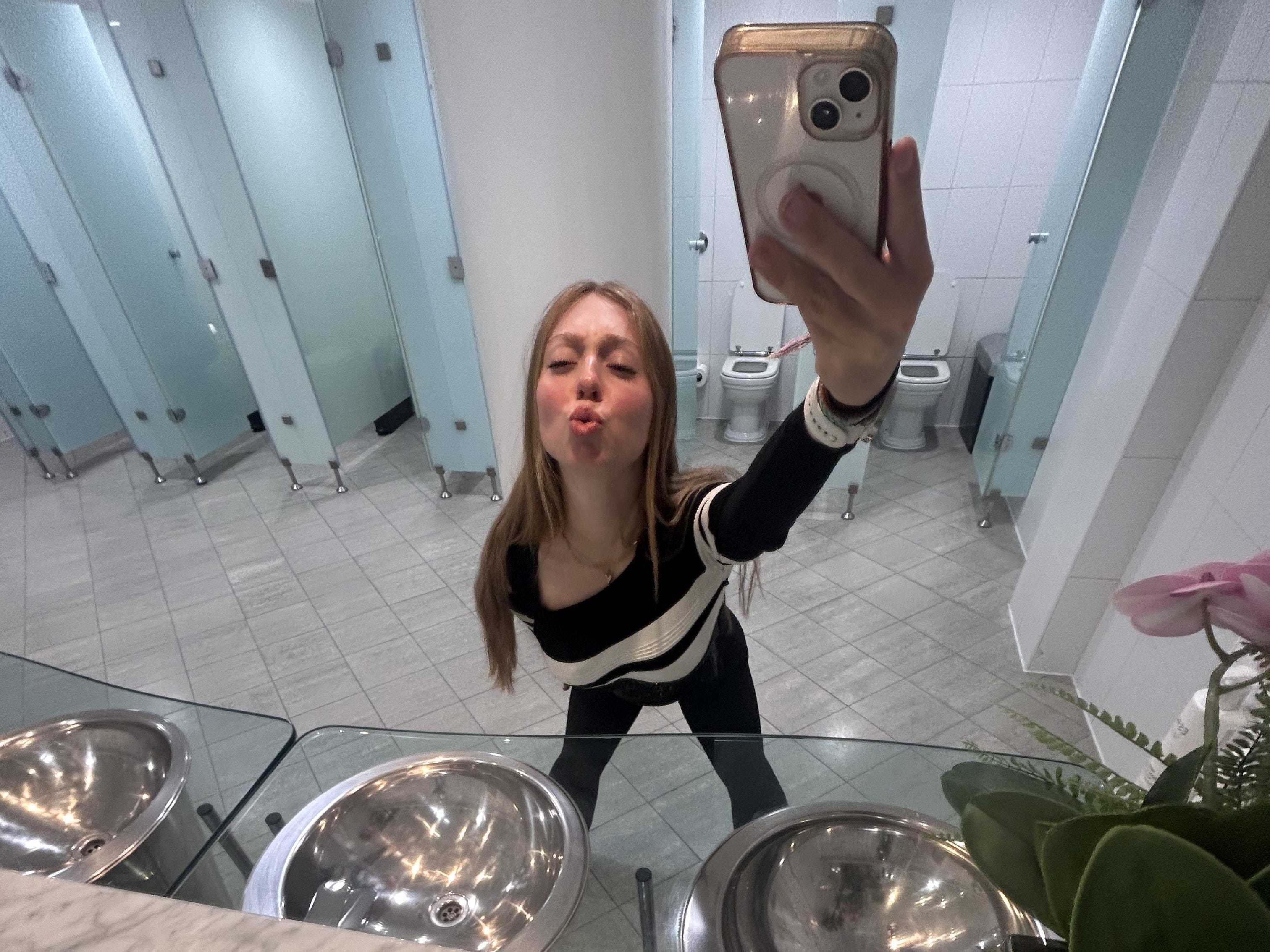
P.S - Attached a picture of me doing whateverthefuck I wanted in the women’s bathrooms since I was practically the only one using them
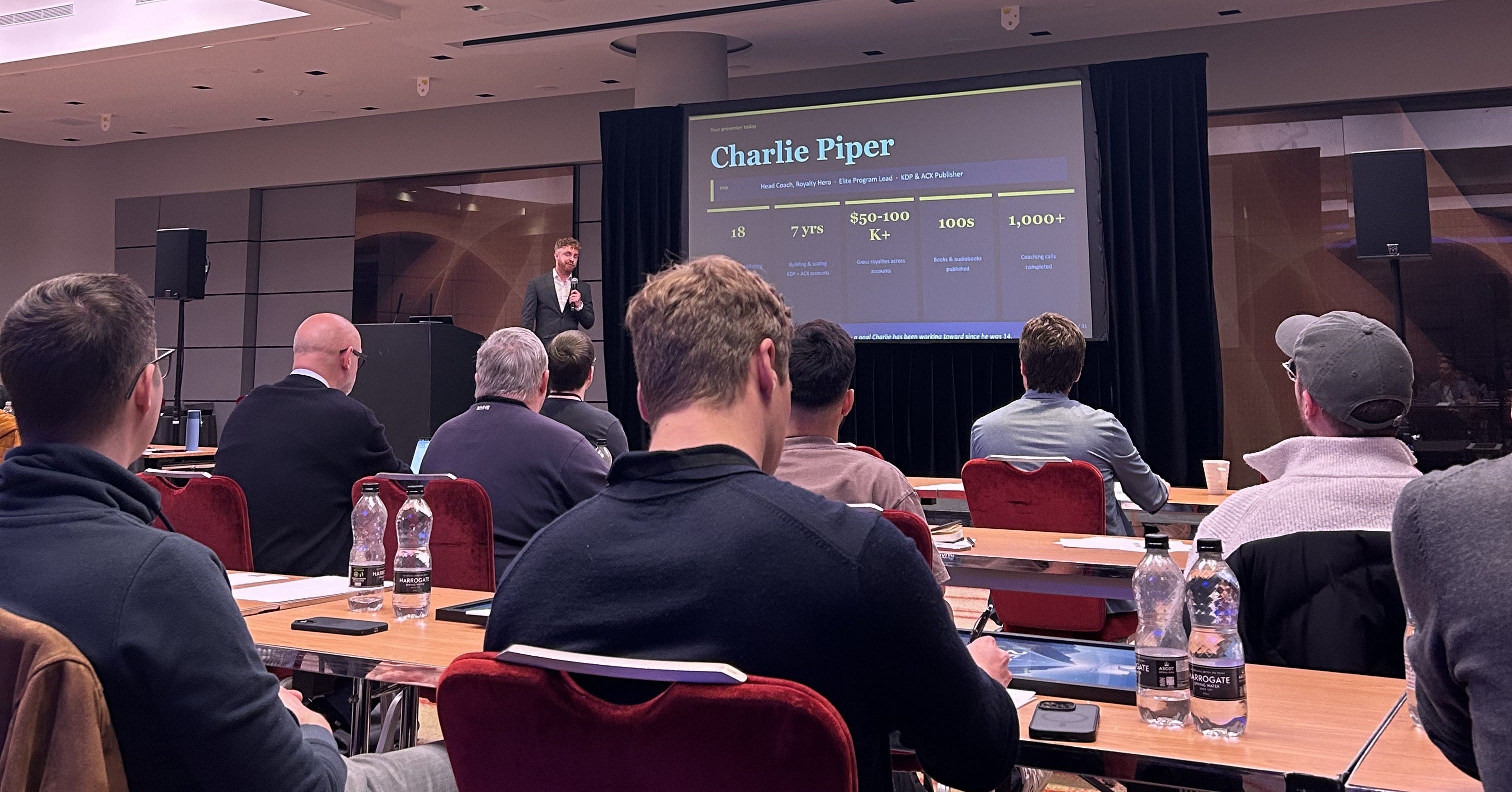
Another picture for reference of all the MEN
I see a powerful woman
Did you meet some Freemason members, sounds like them